Project Details
- Architects: MOST Monti Studio
- Area: 550 sqm
- Year: 2022
- Photographs:Andrea Ceriani
- Manufacturers: Oikos, Anoxidall, EDRA
- Lead Architect: Mirco Monti
- Contractor: MEGASA Construction
- MEP: Dial Consulting
- City: Dakar
- Country: Senegal
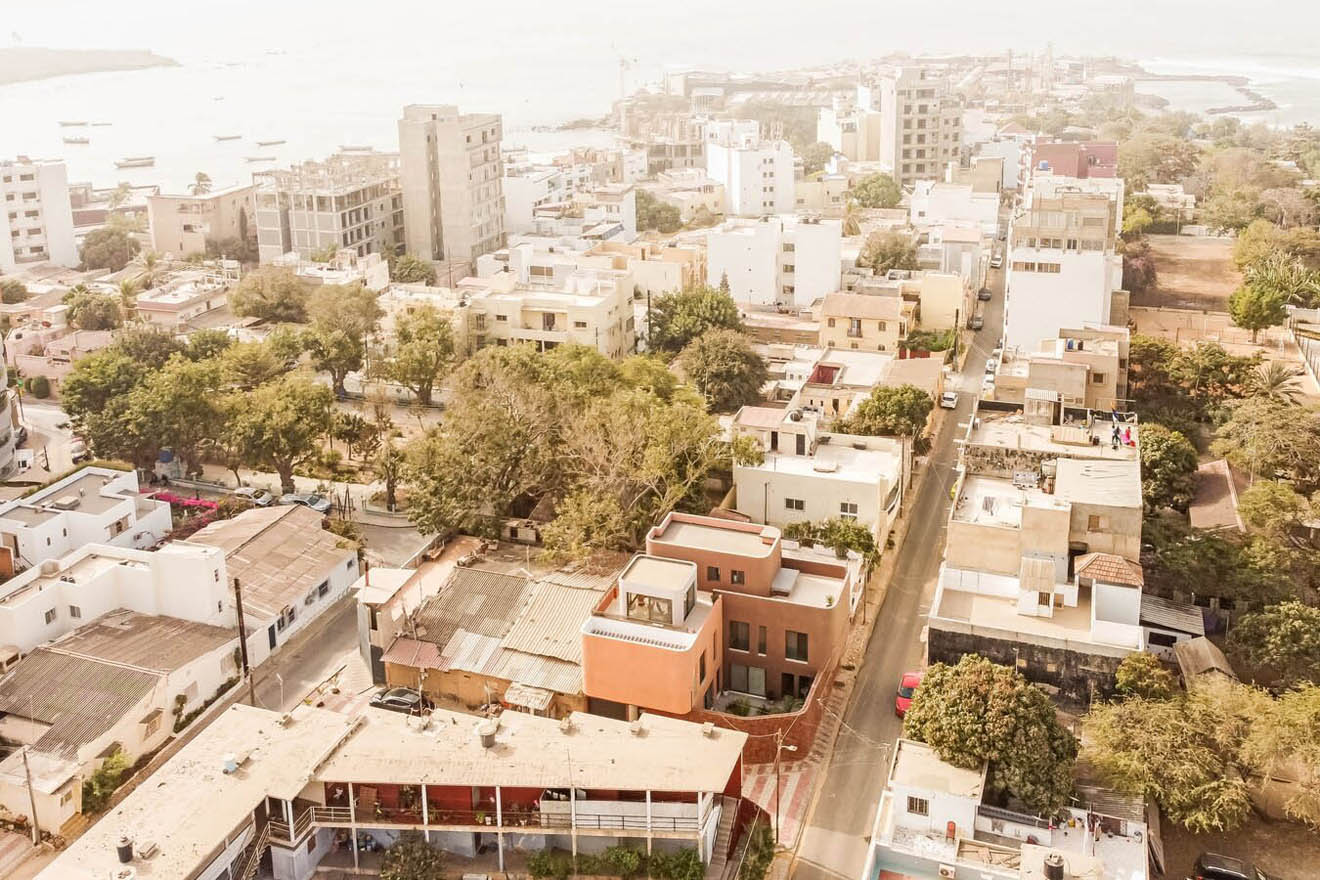
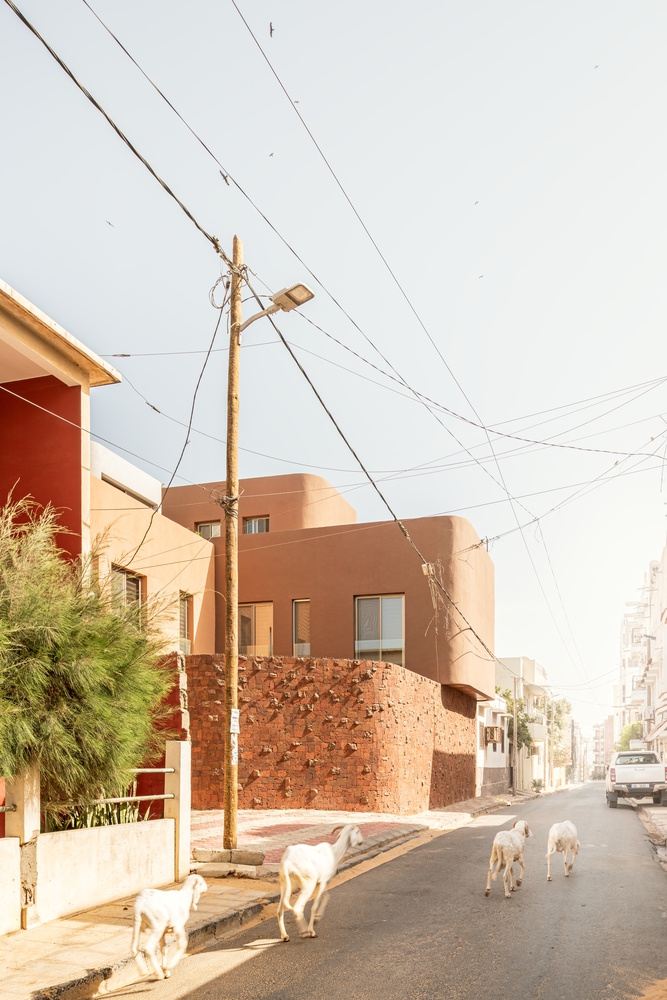
Villa Fann Hock is a compact, 4 bedroom home in Dakar, in the heart of a lively neighborhood half a mile away from the sea.
Designed by Most Monti Studio, the home is a contemporary expression of tropical modern architecture—crafted as a welcoming space where the resident becomes both host and guest. Its design seeks to reinvigorate its urban context through form, color, and texture, offering a warm and grounded response to the local climate. Here are 5 inspiring design elements that characterize the home and showcases how tropical modern design principles can inspire efficient, beautiful, and context-sensitive living, providing valuable lessons for similar urban and rural settings in Nigeria.
1. Warm and earthy texture and colour
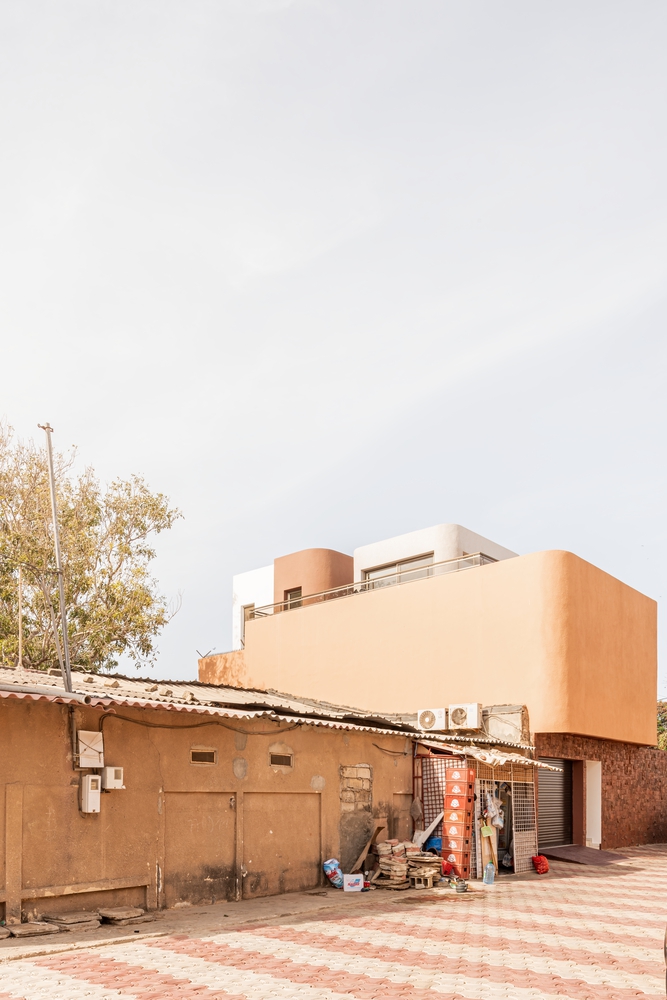
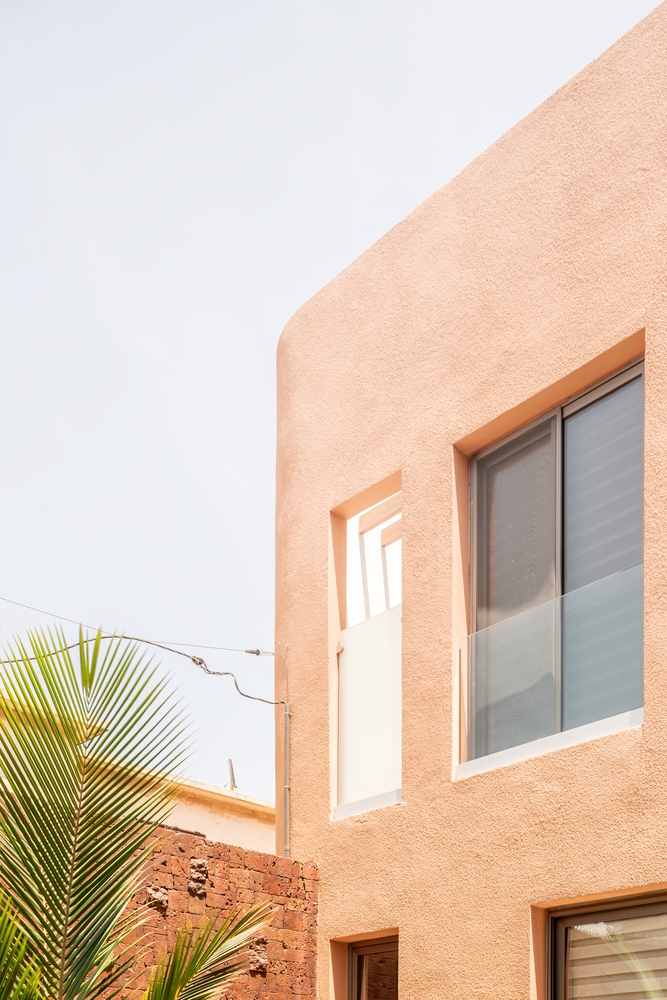
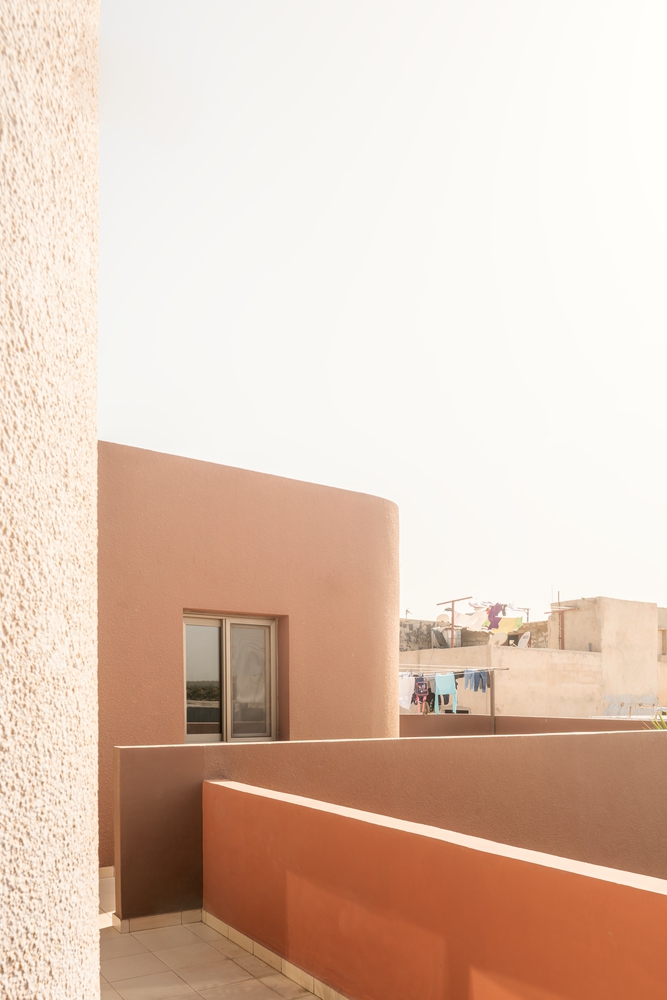
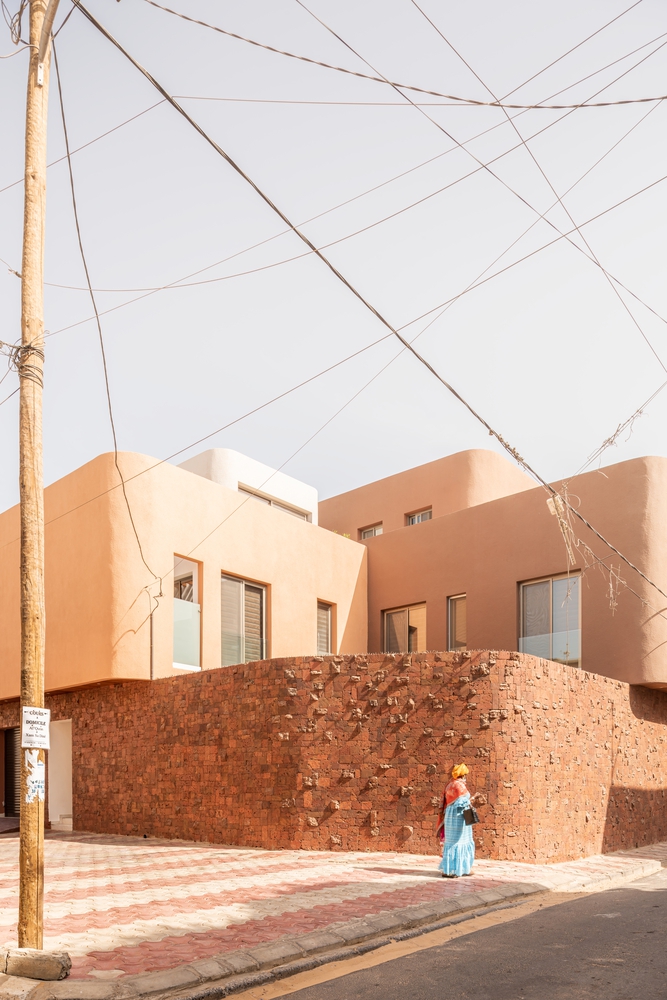
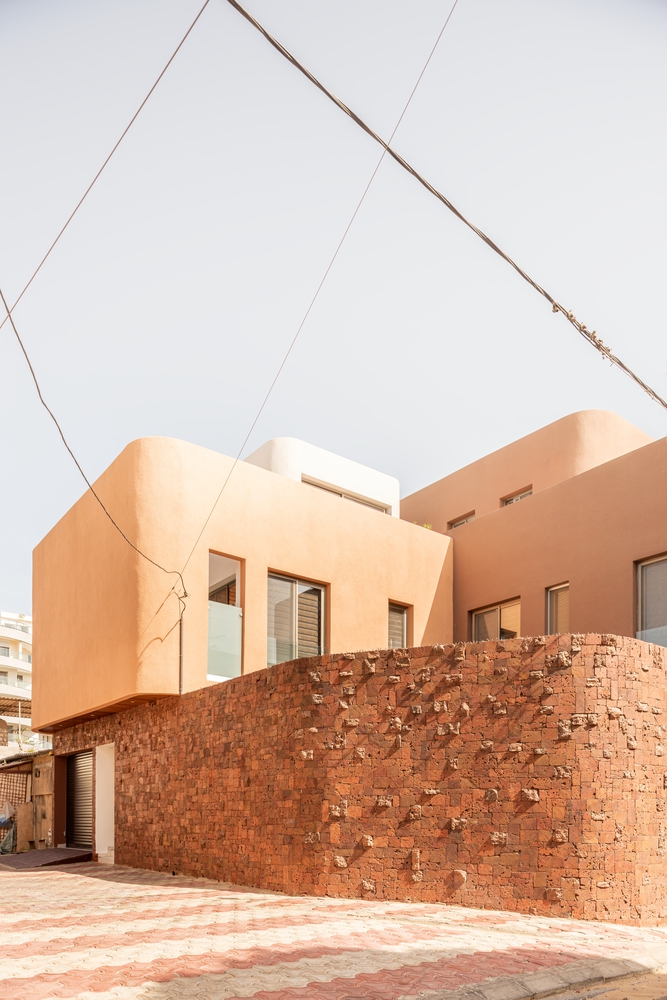
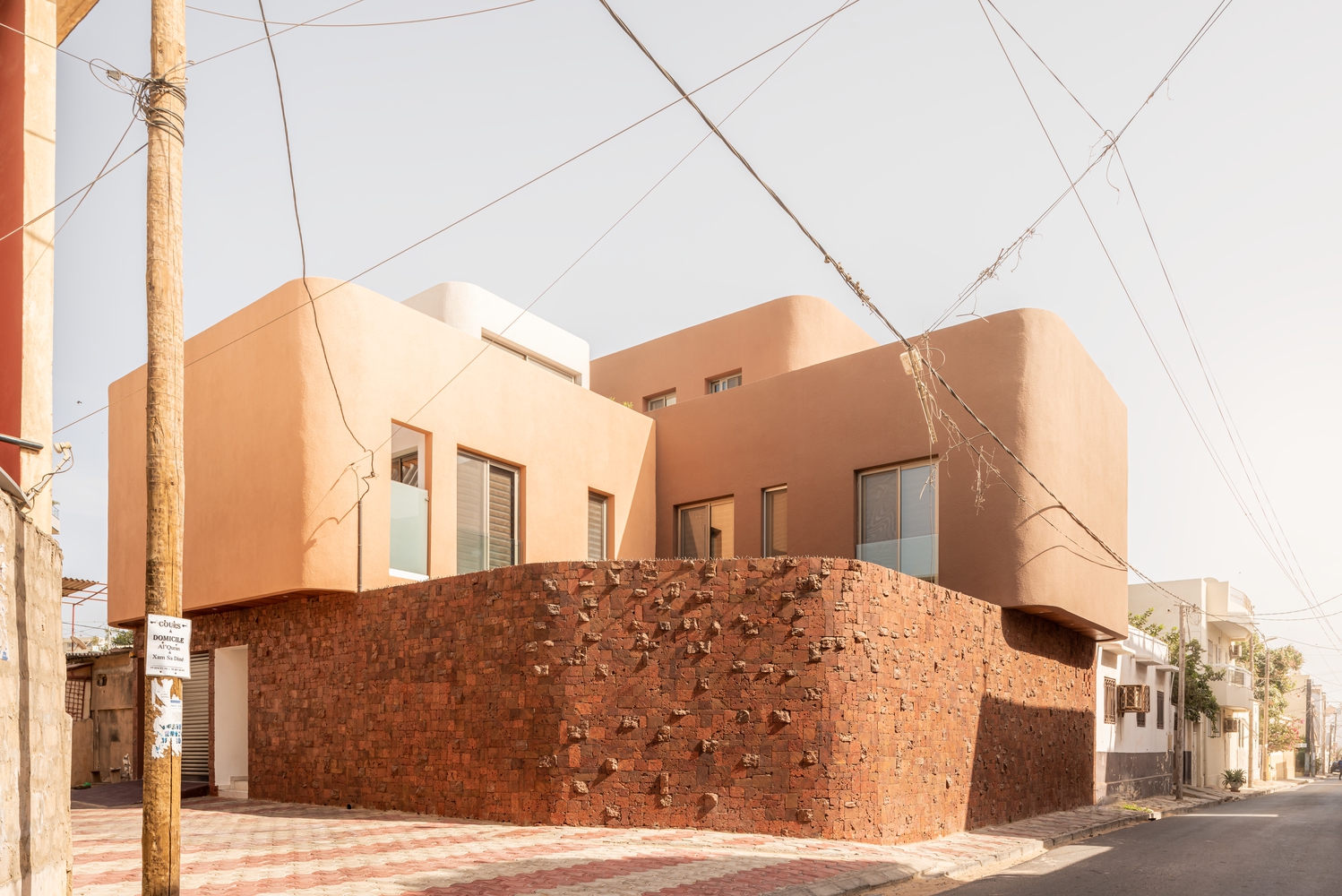
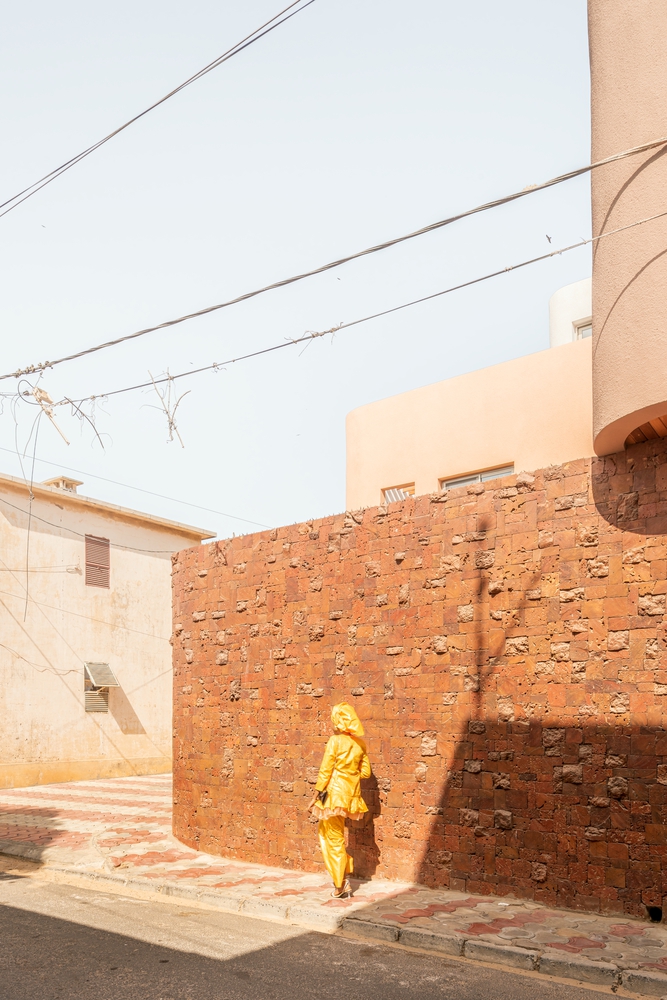
Breaking from the neighborhood’s sea of white and beige, the home makes a confident statement through the warm, earthy palette that defines tropical modern architecture. Inspired by the tones of the Dakar peninsula, the finish evokes the spirit of 1980s Senegalese design, when local materials were essential not only for beauty but for climate resilience and low maintenance.
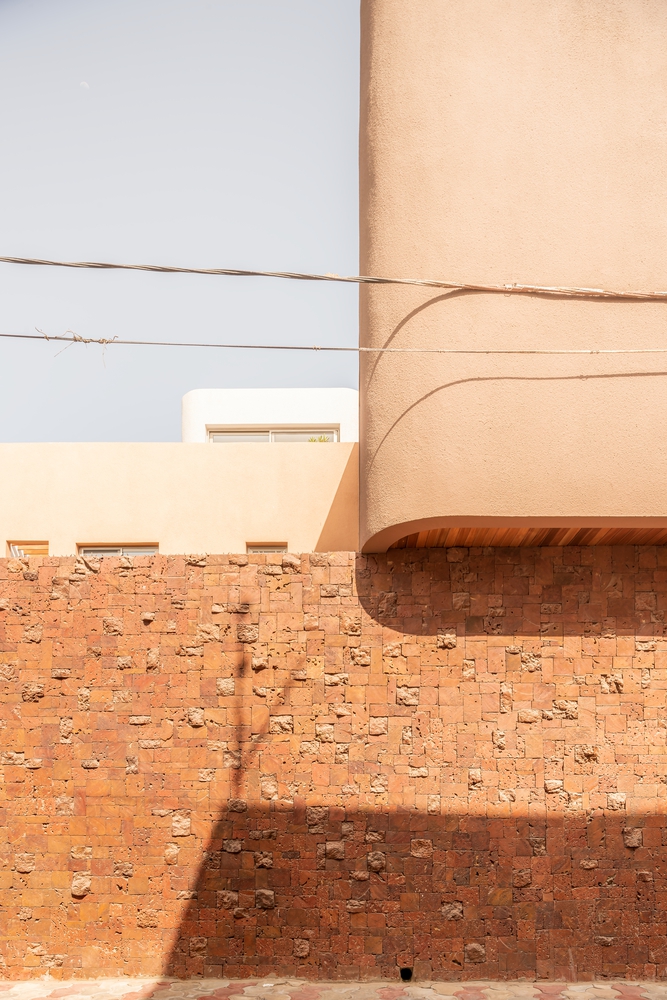
The textured façades and sun-baked hues bring an inviting tactility that grounds the building in its environment. This careful materiality—so characteristic of tropical modern homes—balances nostalgia and modern refinement, offering a timeless response to climate, culture, and context.
2. Compact Planning
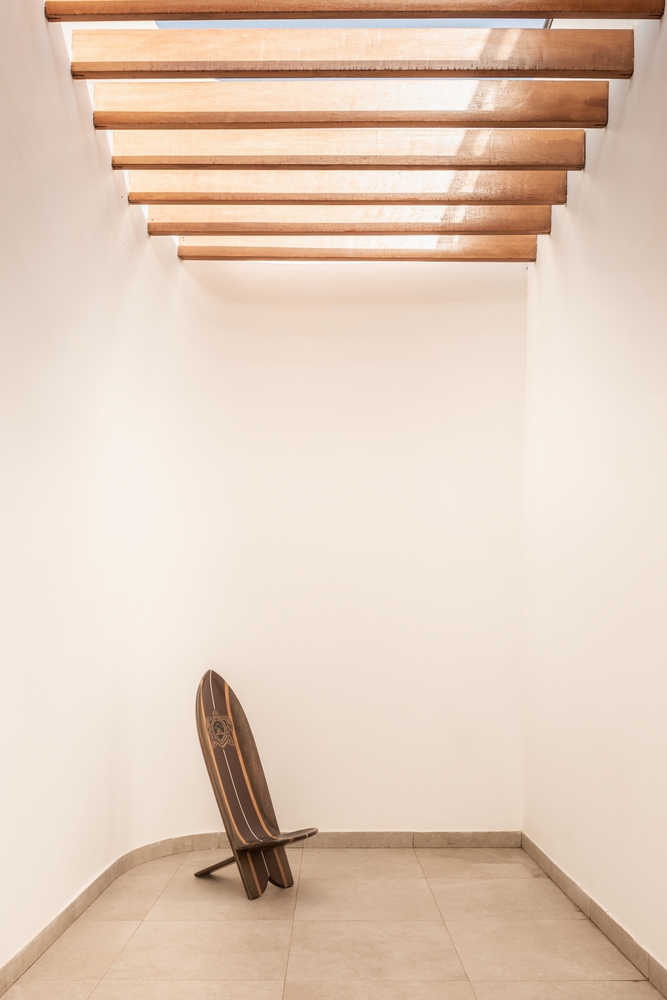
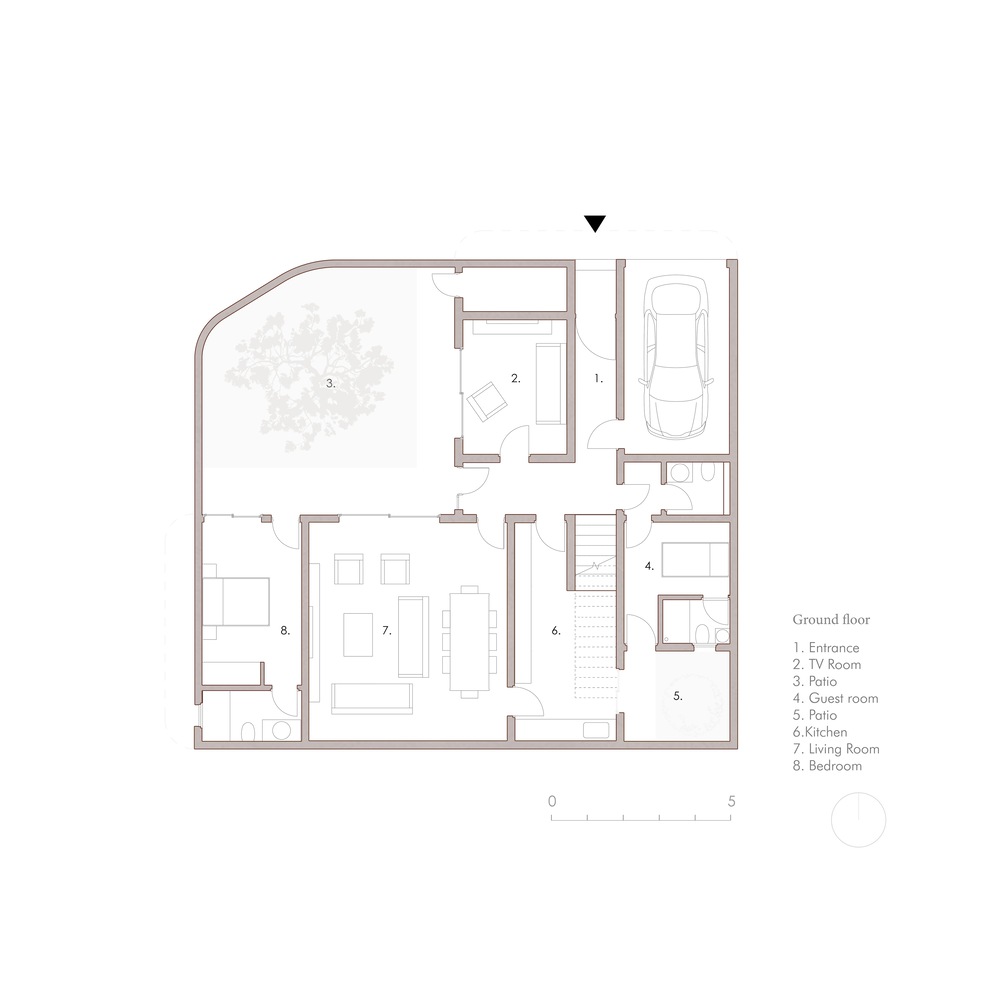
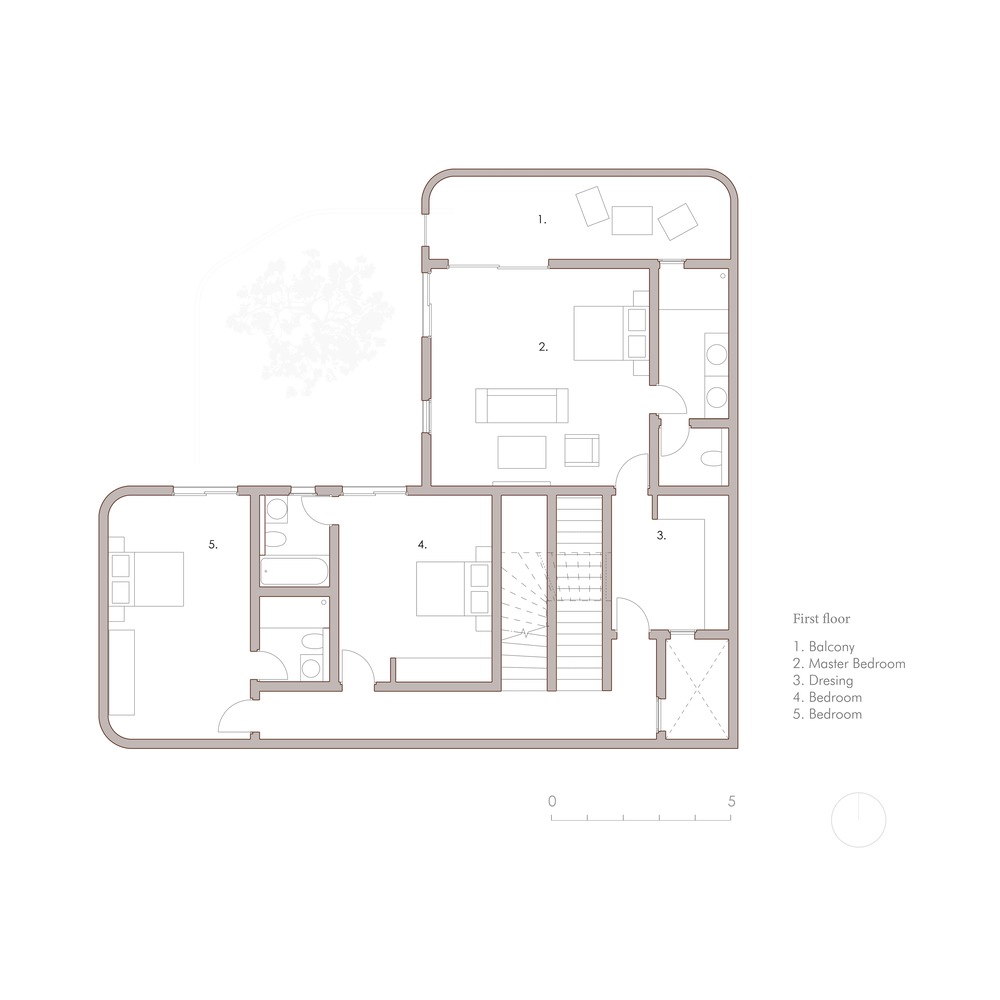
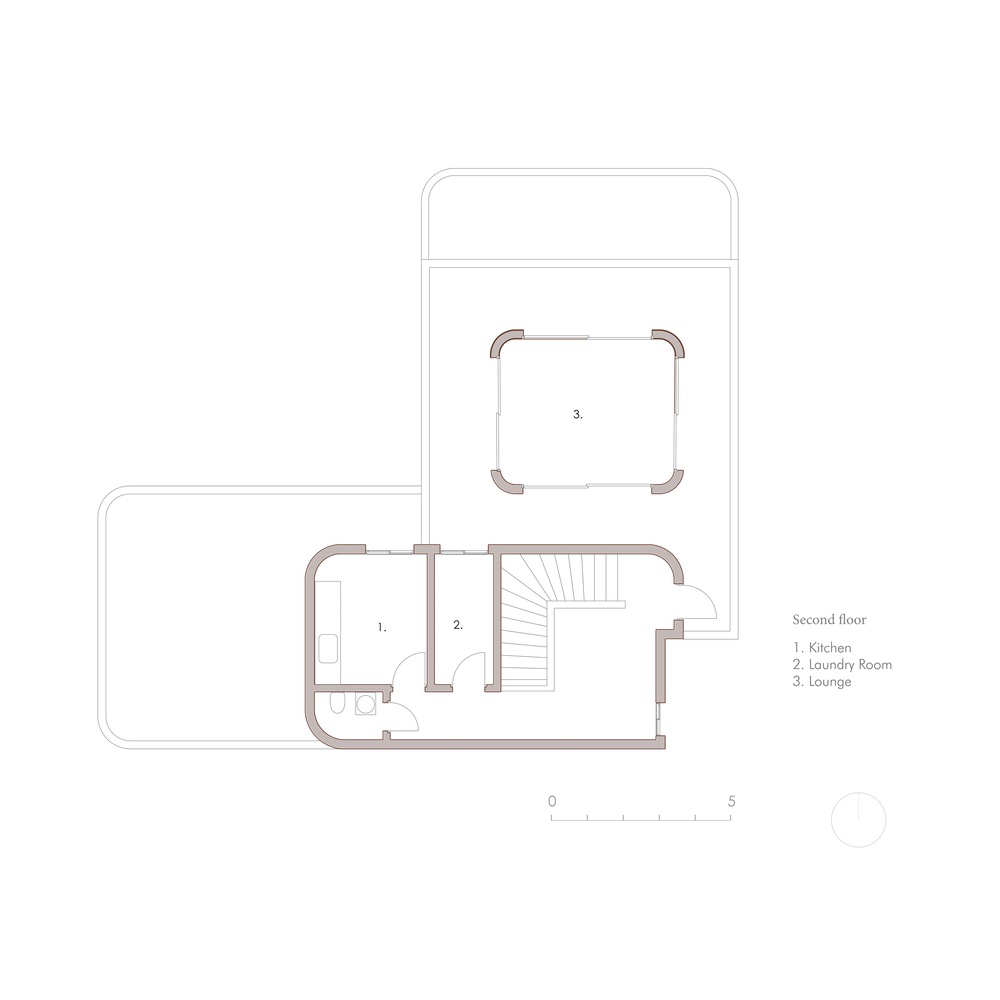
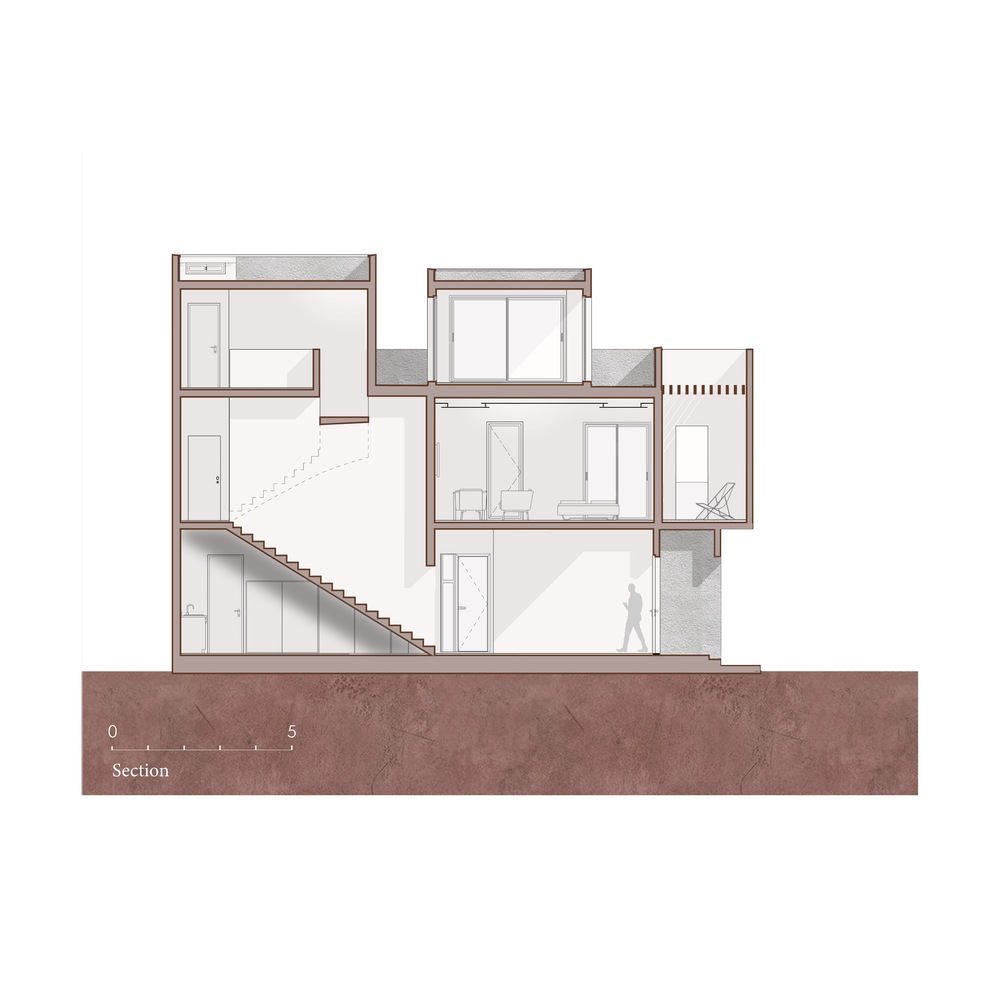
Compact planning lies at the heart of tropical modern architecture, ensuring spatial efficiency without sacrificing comfort or connection to the outdoors. The discreet entrance emphasizes privacy while maximizing usable floor area. On the ground floor, the main living spaces are organized around a central courtyard, minimizing corridors and enhancing natural cross-ventilation.
On the upper levels, the same spatial intelligence continues. The master suite’s semi-open balcony merges interior and exterior living—a hallmark of tropical design—while the top floor unites essential domestic functions in a cohesive, self-sufficient layout. This compact yet layered arrangement reflects the sustainable and cost-effective ethos central to tropical modern homes.
3. Courtyard as a Breathing Space
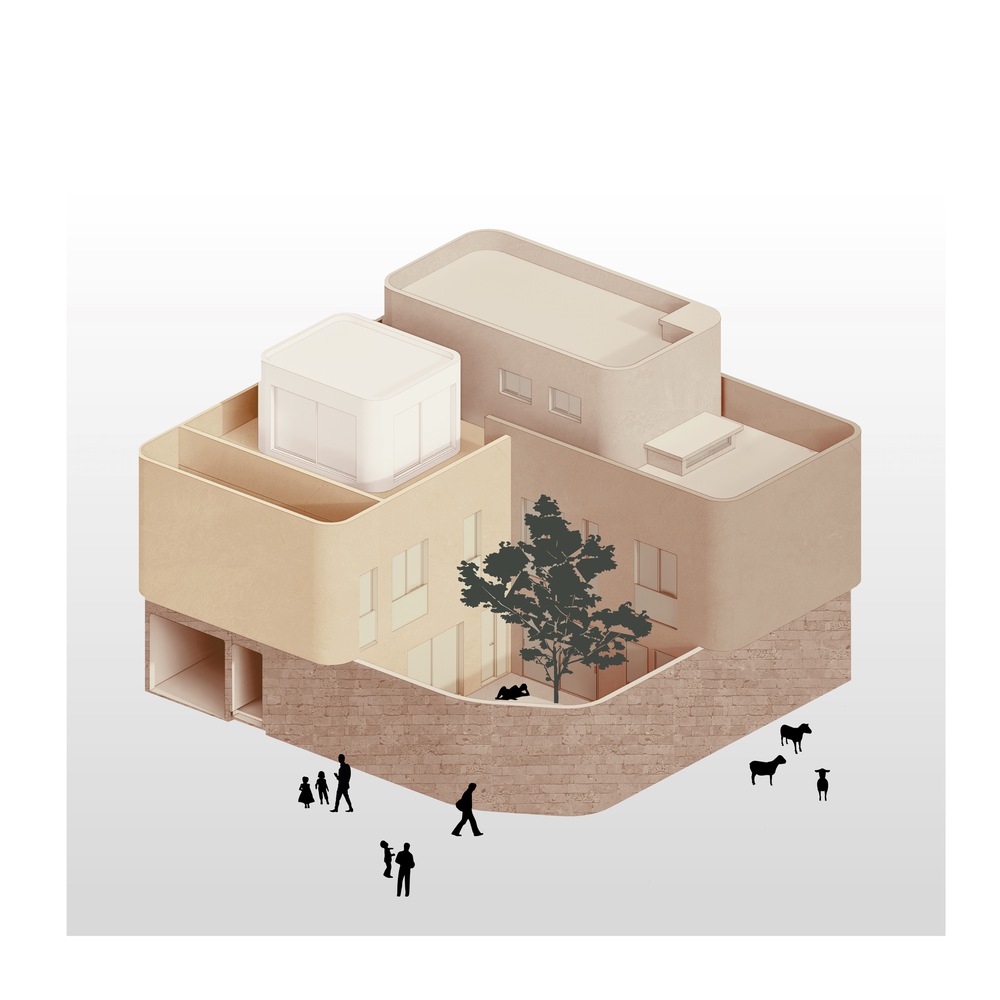
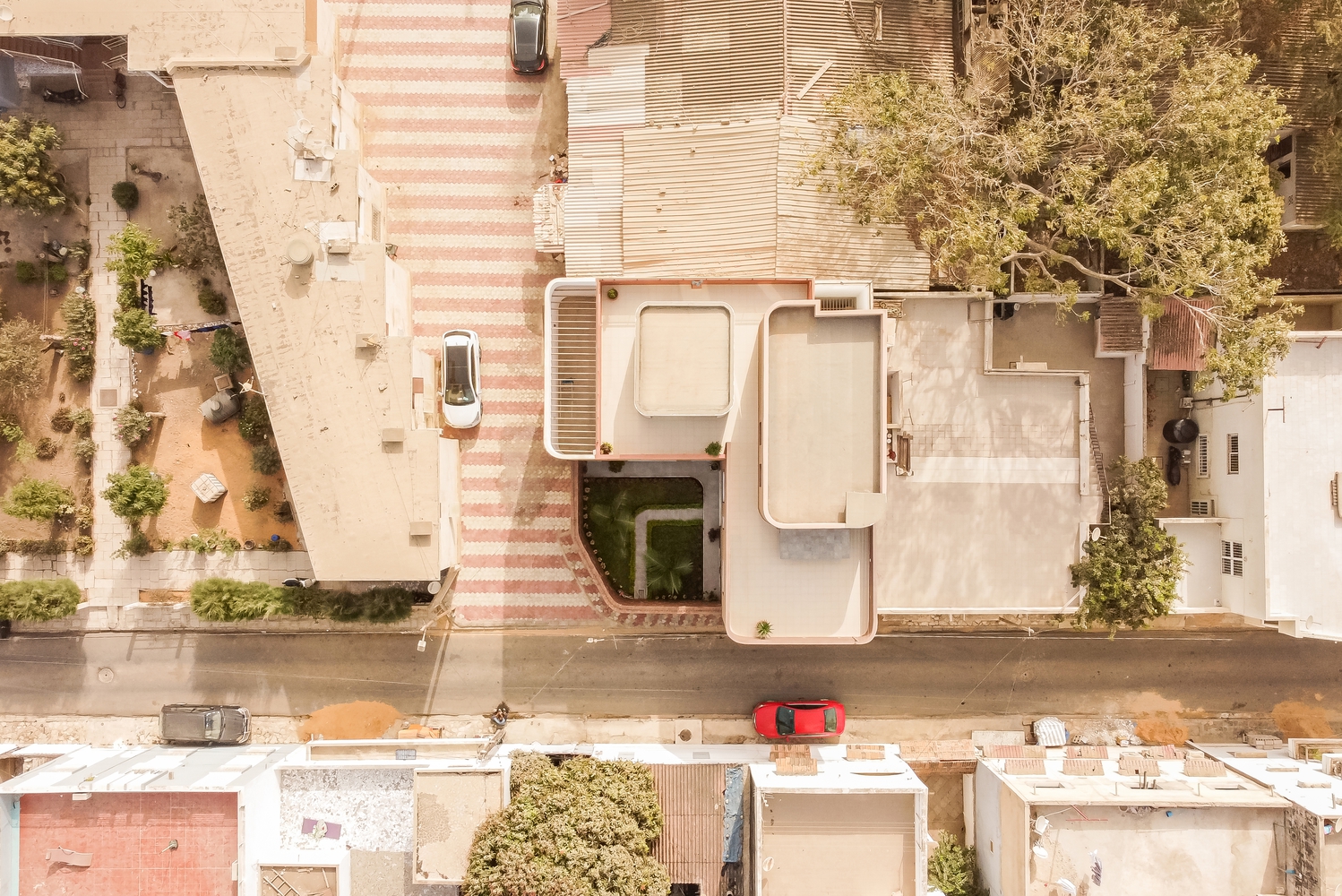
The courtyard is a quintessential feature of tropical modern architecture, serving as both spatial anchor and environmental moderator. Here, a “subtracted” corner becomes a lush internal garden, replacing hard edges with softness and air. The result is a cooling green void that filters light, reduces heat, and muffles noise from the adjacent streets—functions essential in dense tropical cities.
A second, smaller courtyard supports domestic activities, reinforcing the home’s passive design strategy. In this project, these green pockets transform the house into a breathing organism, proving that tropical modern design thrives on subtraction as much as addition.
4. Rounded Edges and Sculpted Volumes
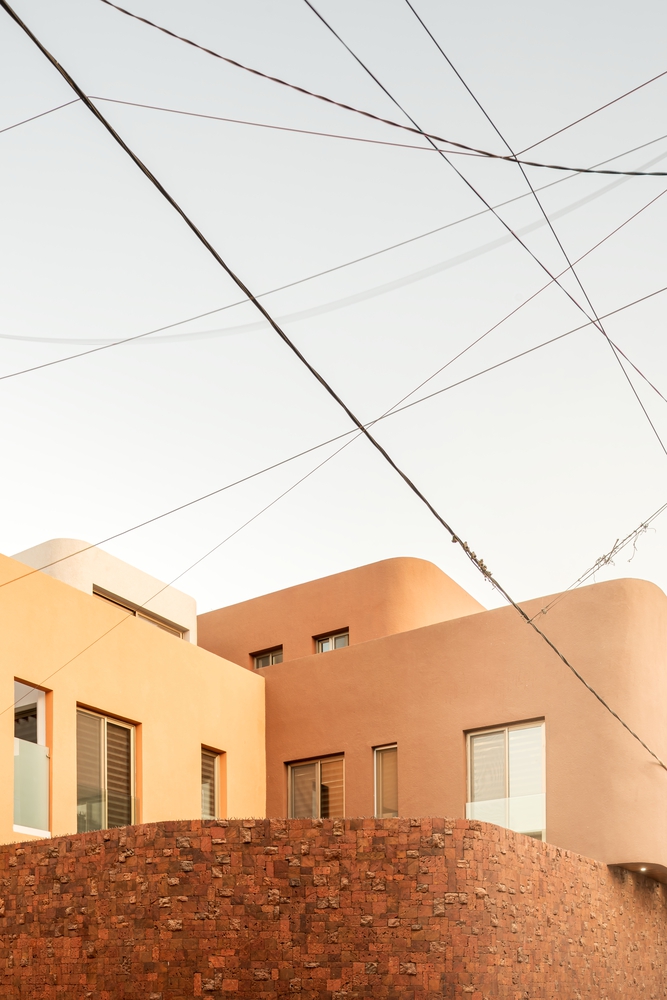
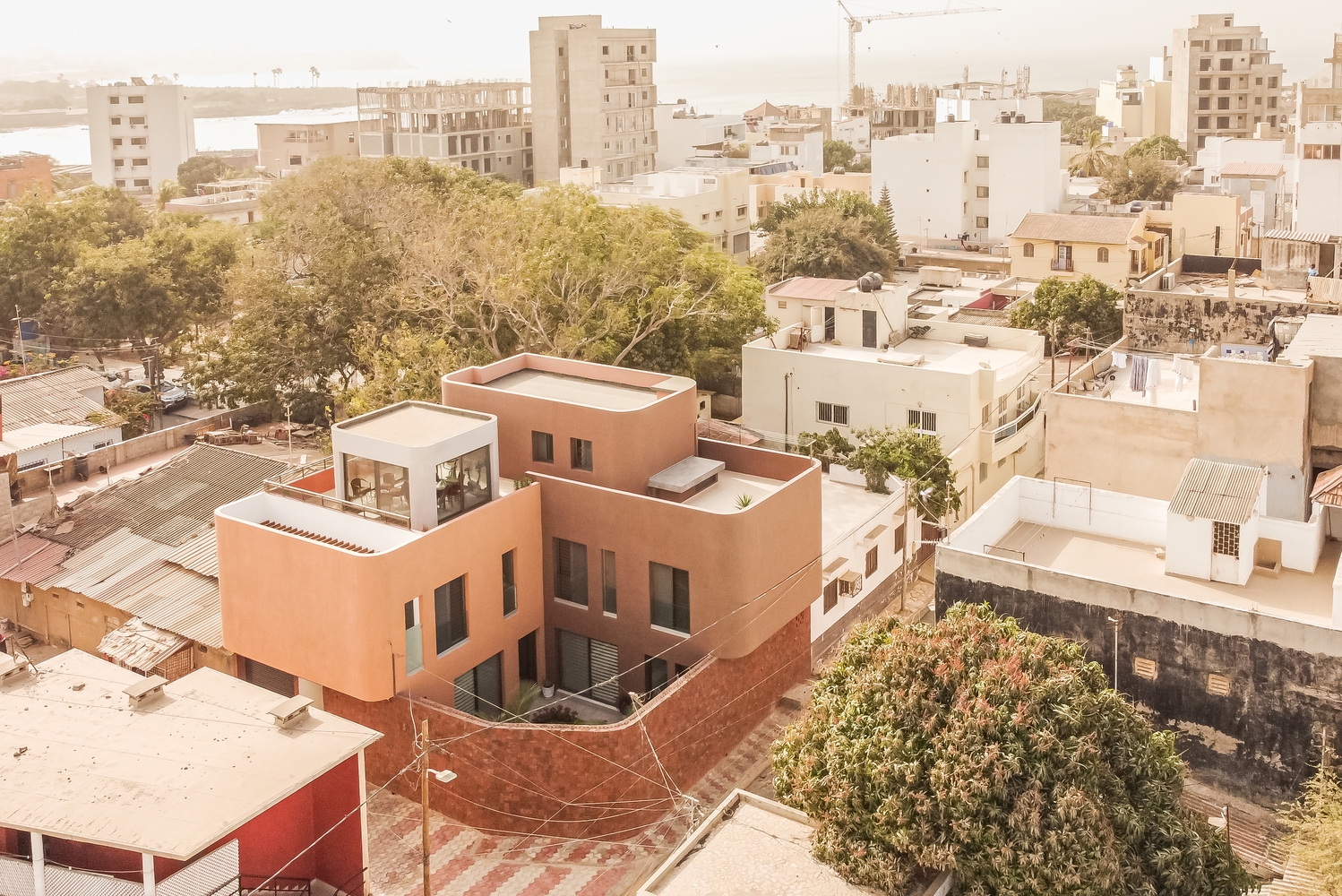
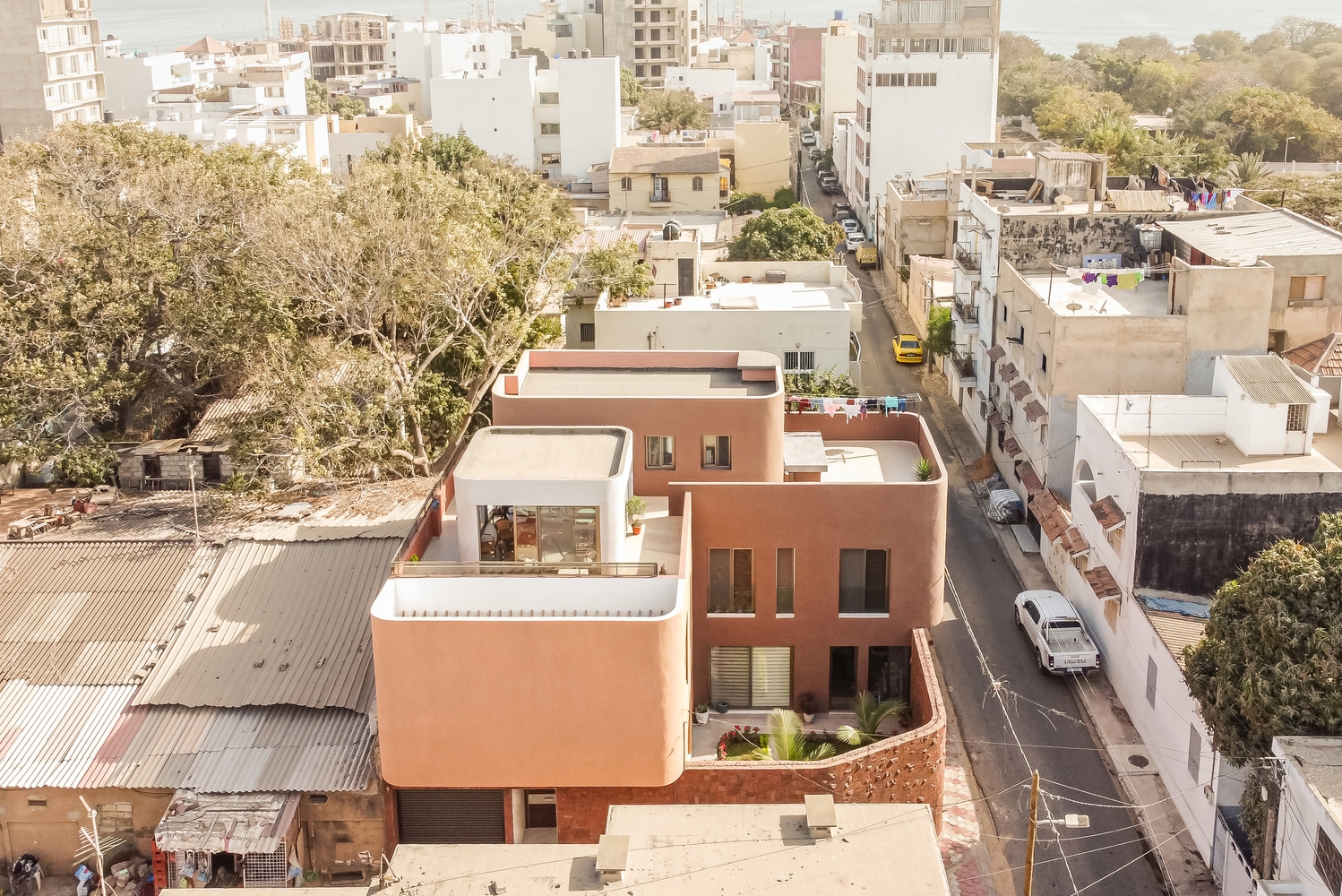
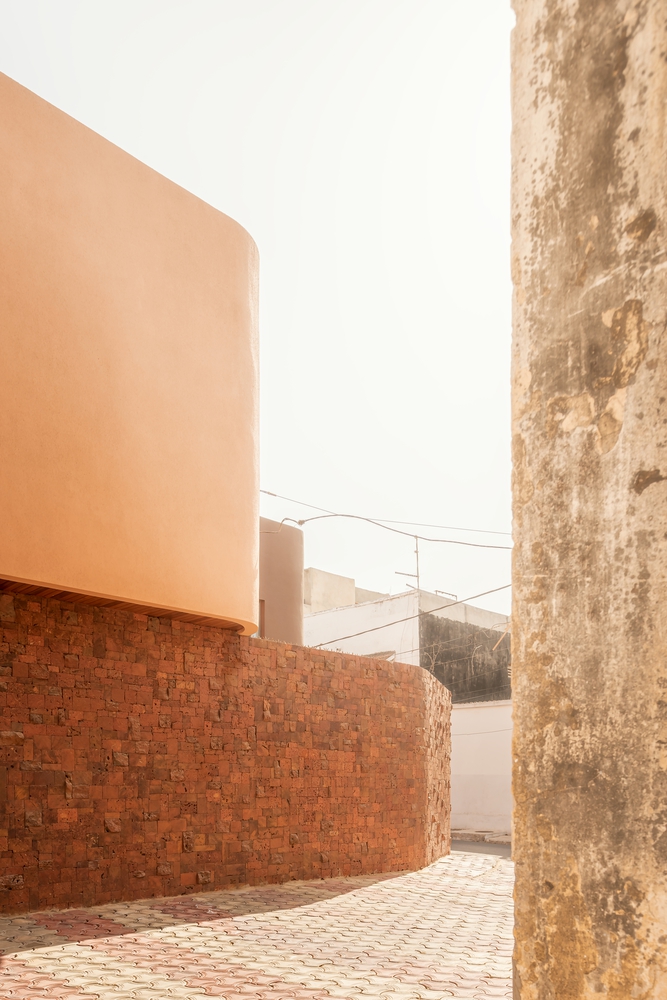
Through its sculpted volumes and rounded corners, this tropical modern home breaks from the rigid geometry of its surroundings. The softened edges not only distinguish the building within the neighborhood but also express a sensitivity to light, movement, and human scale—principles central to tropical modern architecture.
As daylight shifts, shadows glide gently across the curved surfaces, replacing harsh contrasts with soft gradients. The result is an ever-changing façade that feels alive, echoing the dynamic interplay of sun and breeze that defines life in the tropics.
5. Stone Wall and a Sense of Enclosure
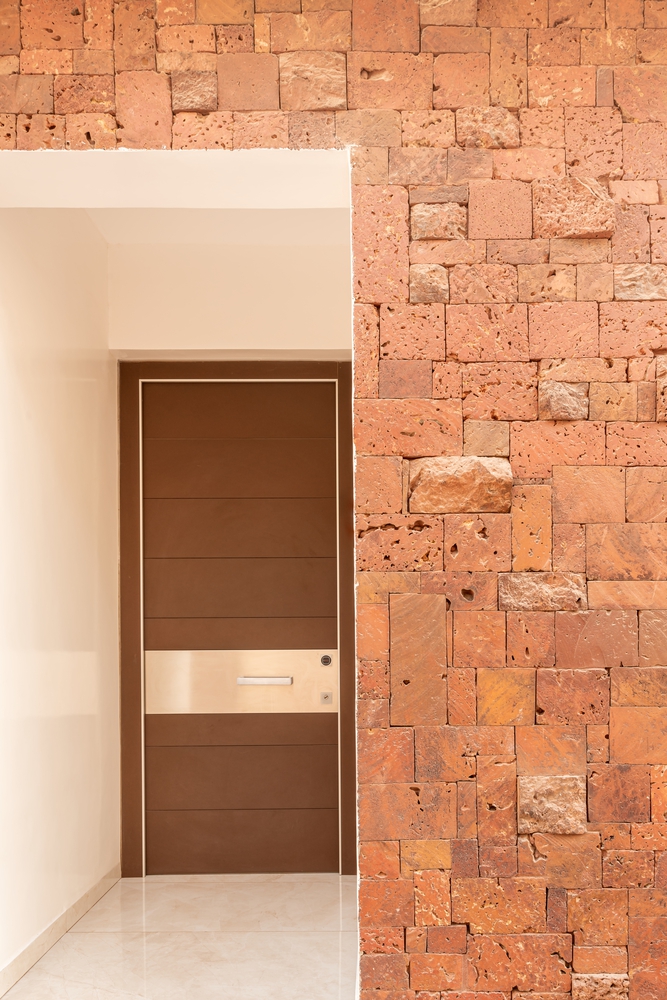
At ground level, a stone-clad boundary wall defines the home’s presence—a feature often overlooked yet crucial in tropical modern design. It anchors the corner, offering both compositional strength and climatic protection. More than a boundary, it acts as a filter—shielding interior life from busy streets while maintaining a porous, tactile relationship with the city.
The wall’s material honesty and texture echo the grounded spirit of tropical modern architecture, where enclosure and openness coexist. It demonstrates how privacy, structure, and aesthetics can merge seamlessly through thoughtful use of local stone and natural finishes.
Together, these design strategies offer valuable lessons for urban residential design in Nigeria’s rapidly densifying cities. The use of warm, earthy materials can root new architecture in local identity, while compact planning ensures practicality on limited plots. Courtyards and rounded forms bring light, airflow, and visual softness to tight urban fabrics, enhancing comfort and livability. Finally, boundary walls treated as architectural elements—not afterthoughts—balance privacy with street engagement. Adapted thoughtfully, these principles can inspire contextually responsive, climatically attuned, and cost-effective homes that resonate with both the Nigerian landscape and evolving urban lifestyles, much like this project has achieved in Senegal.
Would you like to publish your projects? Get Started Here