
Introduction: Light as a Design Material
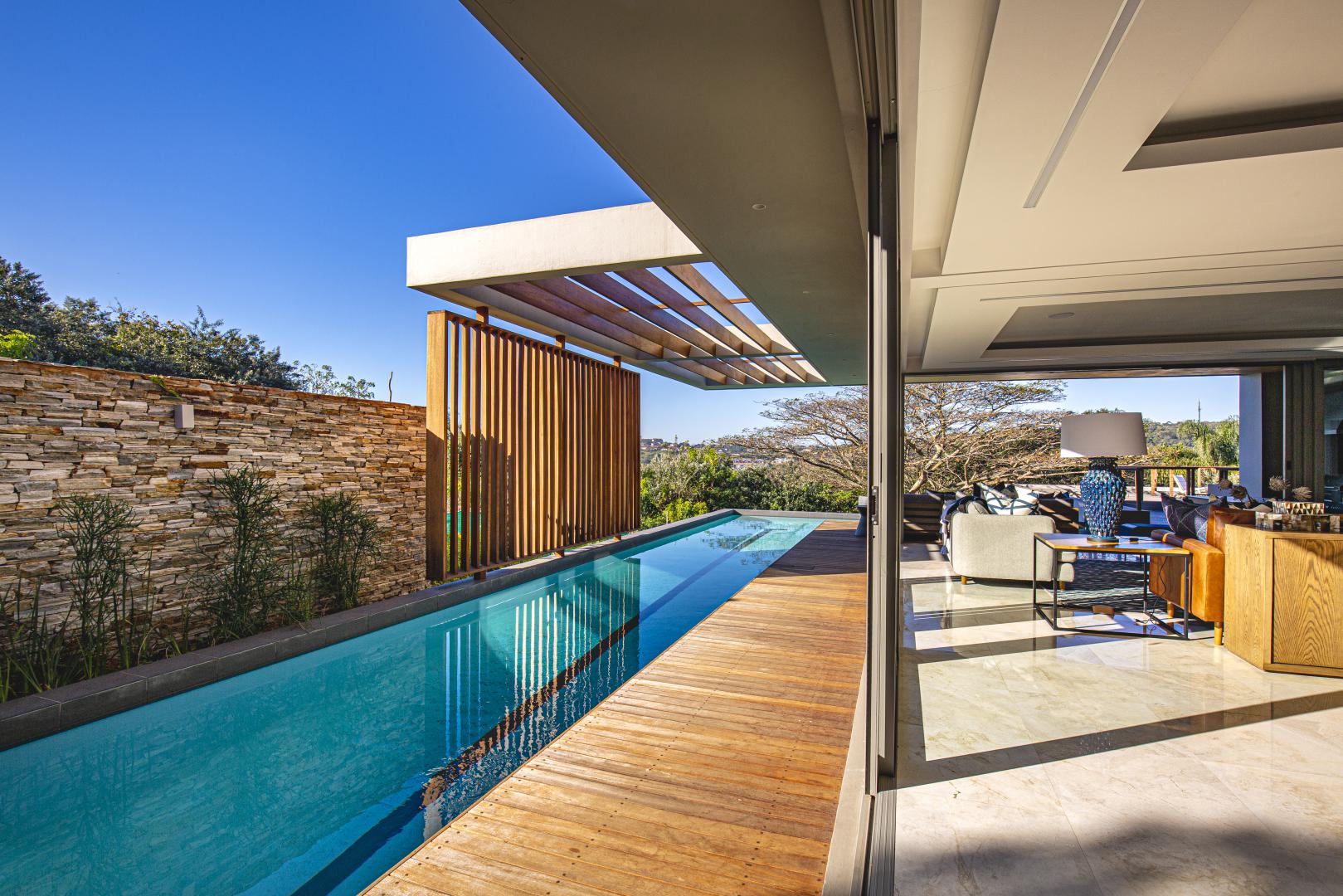
In contemporary architecture and landscape design, light has long transcended its basic illumination function, becoming an indispensable material for shaping space. When Chinese lantern art, with its millennium-long history, collides with cutting-edge design thinking, it evolves from a traditional festive craft into an innovative design language full of possibilities.
As a professional Chinese lantern manufacturer and disseminator of lantern culture, ForestPaintingLantern aims to explore through this article how the Zigong Lanterns—representing the “Lantern City of China” and recognized as Intangible Cultural Heritage—can provide global architects and landscape designers with a brand-new tool through their unique aesthetic system, craftsmanship, and narrative capabilities: using dynamic light and shadow to construct forms, define atmosphere, and tell deep spatial stories.
I. Reshaping the Role: From Object of Appreciation to Spatial Element
Traditional lanterns mostly exist as independent artworks. However, in the context of modern design, their role has undergone a fundamental transformation:
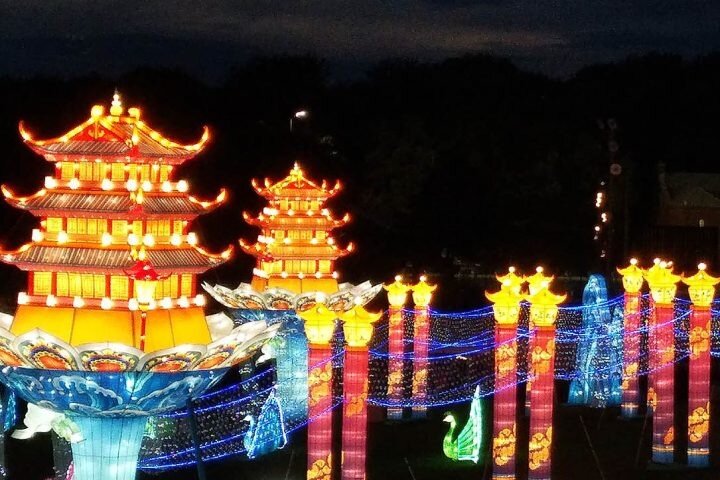
The Definer of Space: Large-scale lantern groups or linear light installations can divide functional areas in a lightweight and transparent manner, replacing some physical partitions to form visual corridors or intangible fields, guiding circulation and sightlines.
The Catalyst of Emotion: The combination of light and color is a precise tool for regulating spatial mood. Warm, soft static light creates meditation and tranquility, while bright, rhythmic dynamic light stimulates vitality and social desire, acting directly on human psychological perception.
The Translator of Culture: Chinese lanterns become a medium for transforming abstract history, culture, or brand IPs into intuitive, experiential spatial narratives. They allow the “spirit of place” to manifest, elevating space from a physical location to a cultural venue.
II. Dimensions of Fusion: Four Design Strategies
The fusion of Chinese lanterns and space is reflected in multi-level strategies from concept to implementation.
Strategy 1: Symbiosis of Form — From Bionics to Tectonics
Modern lantern design actively draws from architecture, presenting a strong structural aesthetic.
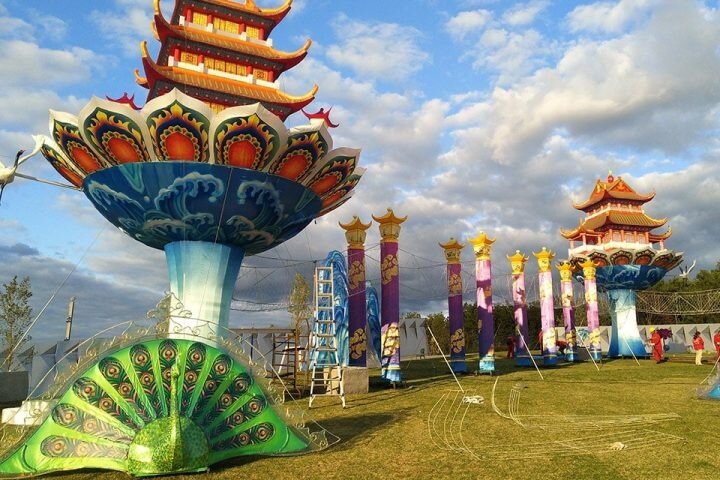
Architectural Vocabulary: Directly applying architectural elements like Dougong brackets, mortise and tenon joints, and layered flying eaves. Through deconstruction and abstraction, these are reinterpreted using steel structures and lighting to form light structures with Oriental aesthetic characteristics.
Structural Integration: Integrated design of light installations with landscape pergolas, observation towers, and water feature bases, making the light source an organic part of the structural logic to achieve “unity of form and light.”
Strategy 2: Empowerment by Technology — From Static to Interactive
Technological innovation is the engine of fusion, enabling light to possess intelligence and interactivity.
Mechanical Kinetic Art: Using precision engineering to set key parts of light installations in motion. For example, the Zigong Lantern Festival has featured massive phoenix crown lantern groups driven synchronously by motors with fluttering feathers, freezing momentary dynamics into a spectacular visual wonder and injecting life into the space.
Smart Interactive Systems: Integrating sensors, AI visual recognition, and programming controls to allow lights to respond to human behavior, sound, or environmental data (such as wind speed, temperature), creating unique participatory experiences and realizing a dialogue between humans and space.
Digital Precision Implementation: Using 3D modeling, CNC cutting, and new translucent materials (such as resin and composite materials) to achieve precise production of complex curved surfaces and realistic shapes, expanding the boundaries of styling and durability.
Strategy 3: Material Experimentation — From Traditional to Sustainable
The Zigong lantern philosophy that “everything can become a lantern” drives cross-boundary material experiments.
Sustainability Practice: Large-scale use of recycled materials like plastic bottles, glass bottles, and ceramic fragments to create massive installations. While creating stunning visual effects, this imparts a clear ecological theme and educational significance to the space.
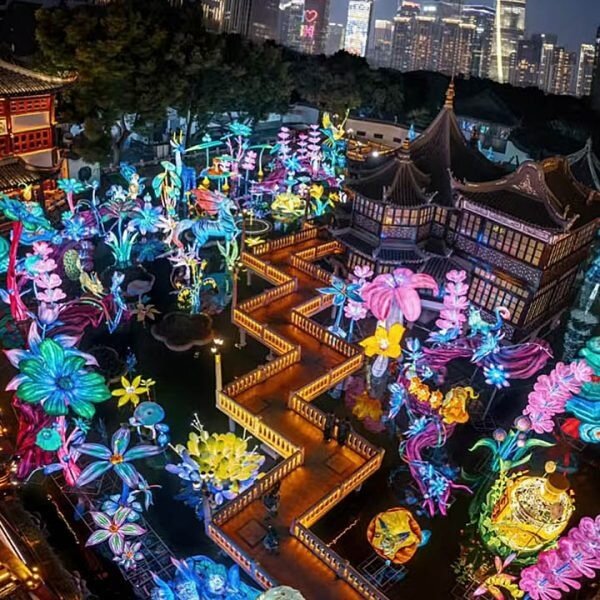
Mixed Media: Combining lanterns with fog forest systems, water curtains, and projection mapping to create an immersive environment that blends the virtual and real, greatly enhancing the theatricality and infectiousness of the space.
Strategy 4: Integration of Narrative — From Individual Units to Holistic Domains
The highest level of fusion is the deepbinding of lantern narratives with overall site planning.
Thematic Holistic Creation: Abandoning isolated placement in favor of full-scenario, storyline-based lighting planning around a core concept (e.g., “Classic of Mountains and Seas” or “Future Eco-City”). Installations in different areas act as chapters, guiding visitors through a journey of exploration with a complete narrative arc.
Contemporary Translation of Local Culture: Deeply excavating site history and context for modern expression through light. Simultaneously, cleverly blending globally popular cultural IPs and using the grand scenic capabilities of lanterns to build an emotional bridge between traditional skills and modern audiences, enhancing the communicative power of the space.
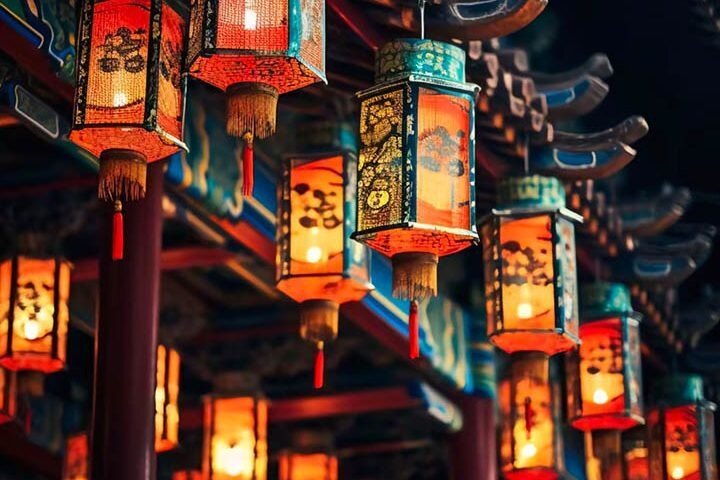
III. Application Scenarios: Illuminating Diverse Spatial Types
The following cases demonstrate the successful application of fusion design in different types of spaces:
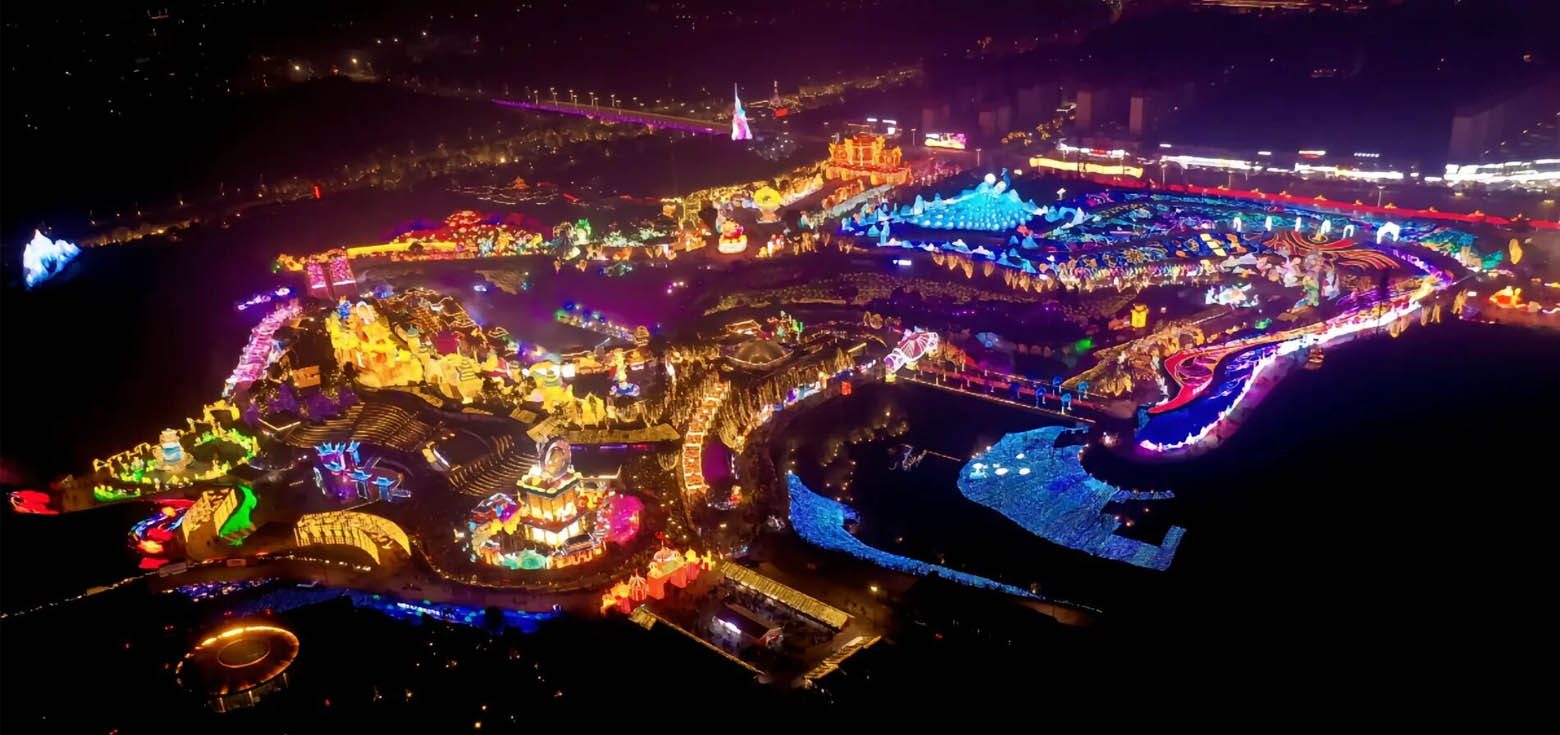
Urban Public Spaces & Cultural Tourism Scenic Areas: Projects like “Beijing Thousand Lantern Night” build eight themed zones within parks, fusing lanterns with natural landscapes and existing architecture. Complemented by “warm houses,” performances, and markets, they successfully transform traditional lantern festivals into comprehensive cultural tourism destinations that drive the “night economy,” revitalizing public spaces at night.
Commercial Complexes & Blocks: Lanterns can be used to shape festival themes for commercial plazas, enhance the visual attraction of block facades, and create immersive atrium art installations. The immense foot traffic and social media propagation effects they generate can significantly elevate the value of commercial spaces.
Cultural Venues & Theme Parks: In museums, art galleries, and theme parks, lanterns can become part of permanent or special exhibitions to reinforce spatial themes. For instance, recreating historical scenes or fairy tale worlds in lantern form offers an experience more infectious than static displays.
International Events & Brand Activities: Zigong lanterns have served as Chinese cultural ambassadors in over 80 countries and regions. They provide a solution combining Oriental aesthetics and visual shock for various international celebrations and brand launches, rapidly constructing topical temporary landmarks.
IV. Outlook and Collaboration: Moving Towards Normalization and Artistry
In the future, the fusion of lanterns and spatial design will develop towards permanent artworks, intelligent system integration, and personalized customization. It will become a normalized, high-end option for urban renewal, architectural facades, and interior art installations.
For architects and landscape designers, early collaboration with top-tier lantern design teams (such as professional institutions from the “Lantern City of China,” Zigong) is crucial. We suggest:
Early Intervention: Consider light art installations as key spatial elements during the conceptual design phase.
Cross-Disciplinary Synergy: Co-create early with lantern design teams to achieve integrated design in structure, electrical, control systems, and post-operations.
Emphasize Sustainability: Choose durable, energy-saving, and easy-to-maintain technologies and materials, and allow flexibility for content updates and iterations.
Conclusion
Chinese lantern art is undergoing a profound metamorphosis from traditional craft to contemporary spatial design language. It proves that the deepest cultural inheritance lies precisely in courageous crossover and innovation. For the global design community, it offers a unique toolkit—using the poetics of light to respond to the complex demands of place, emotion, and culture, ultimately creating spaces that are memorable and possess a soul.
Would you like to publish your articles? GET STARTED HERE